- All
- Product Name
- Product Keyword
- Product Model
- Product Summary
- Product Description
- Multi Field Search

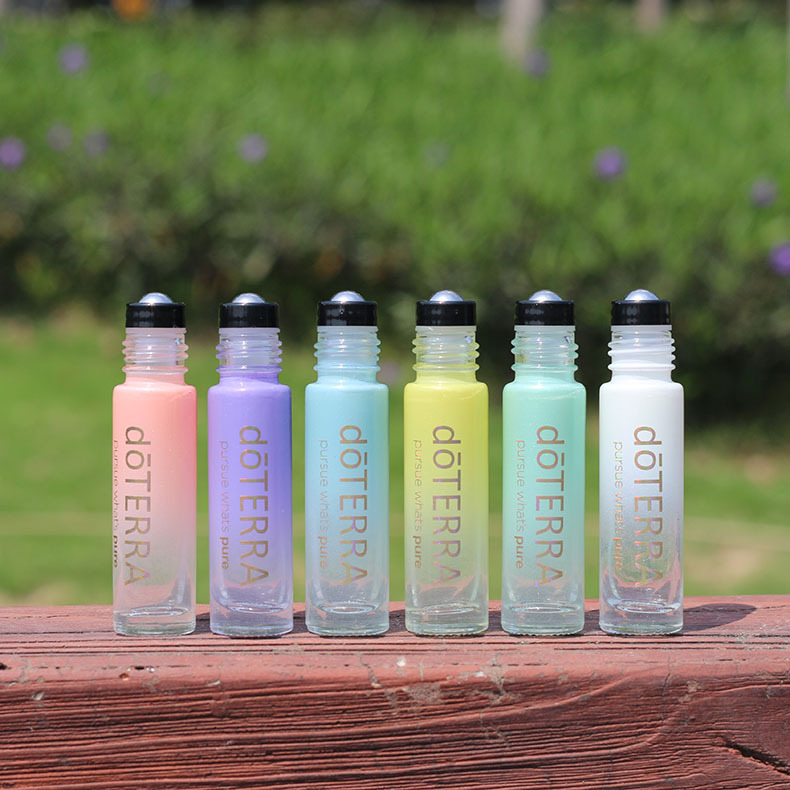
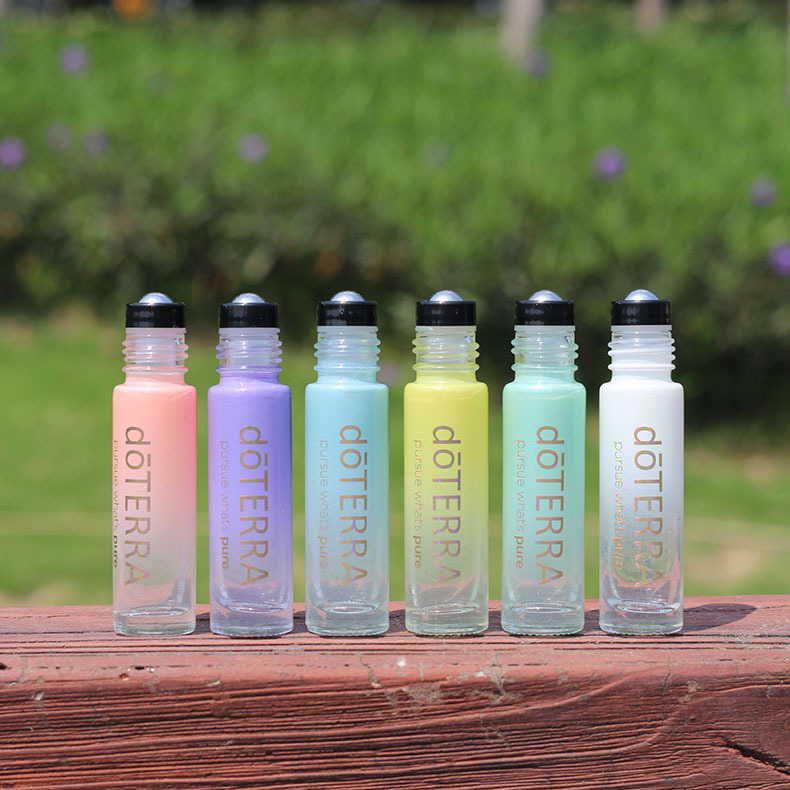

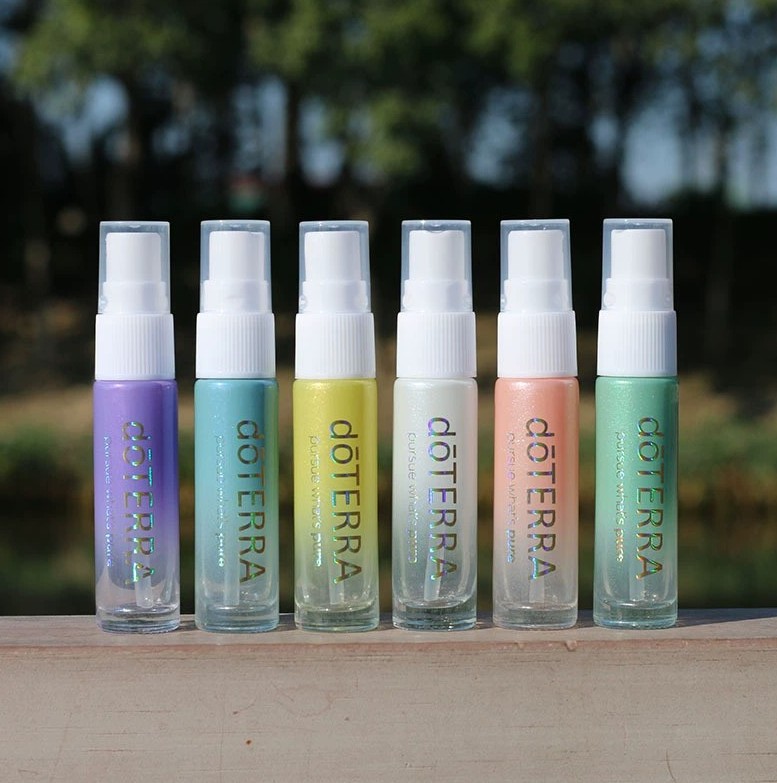

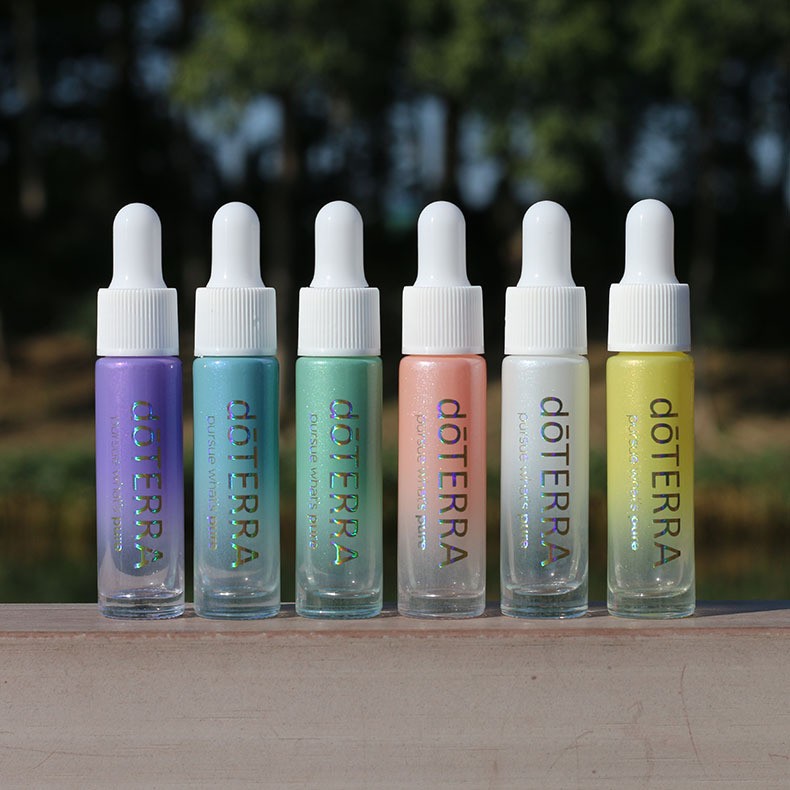

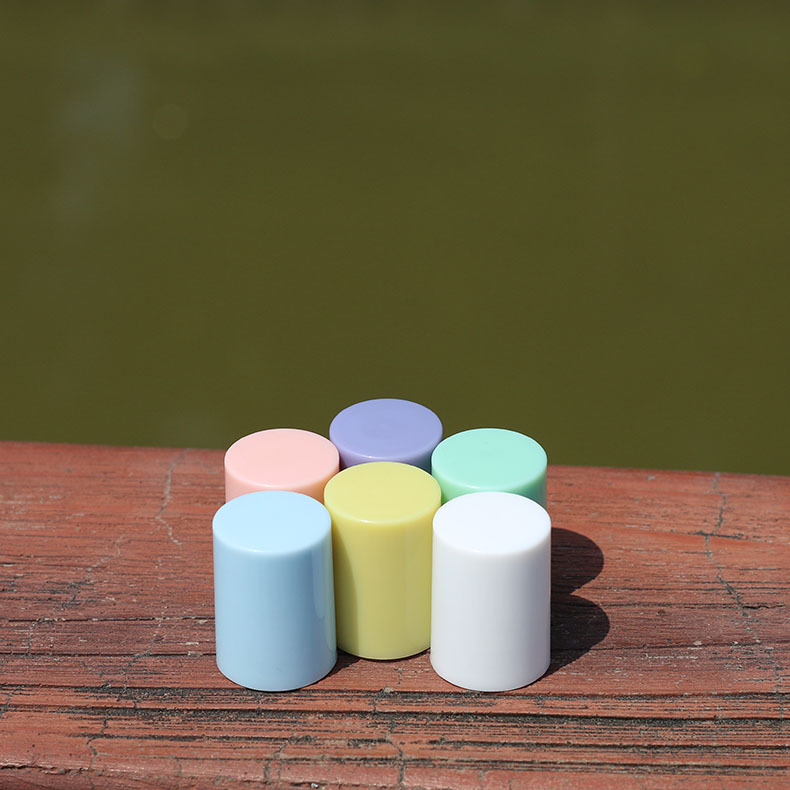

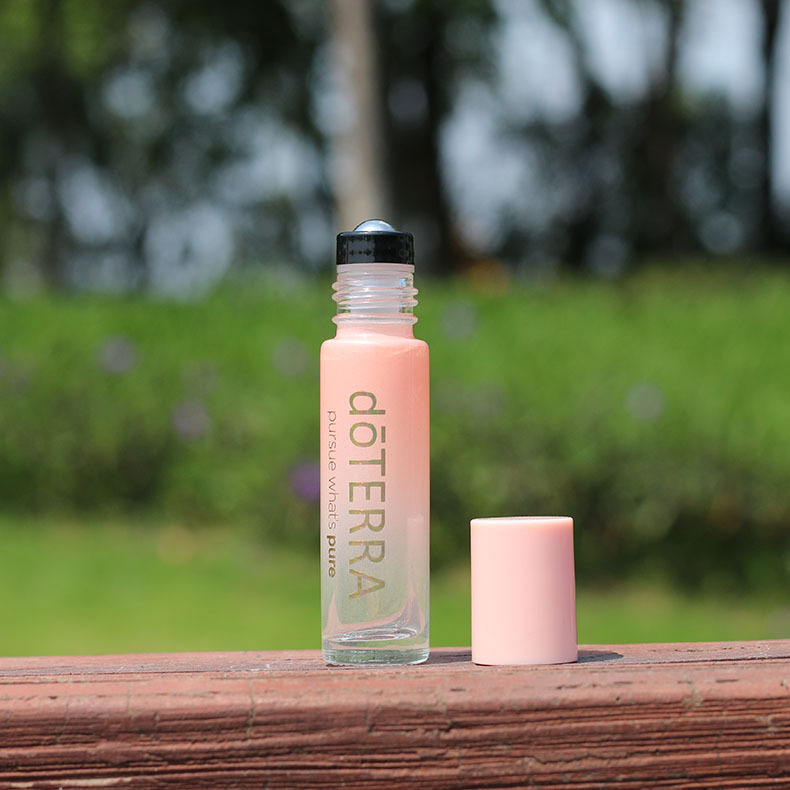



Wholesale ChromaSeal Trio Perfume System - 10ml Colored Glass Bottles (Roller/Spray/Dropper)
Revolutionize fragrance packaging with our 10ml colored glass perfume bottles, featuring three precision-engineered closures in one unified platform. Crafted from light-filtering borosilicate glass infused with inorganic mineral pigments (cobalt blue, emerald green, ruby red), each bottle selectively transmits brand-enhancing wavelengths while blocking 85% of UV degradation. The patent-pending UniversalThread™ neck seamlessly integrates: 1) Ceramic micro-rollerball (2.5mm) for pulse-point oils, 2) 18μm vortex mist sprayer for even sillage, and 3) Meniscus-free dropper with 0.01ml graduations for extracts. Permanent ceramic logos fused at 780°C withstand solvents, while electrostatic-shielded glass prevents dust attraction during filling.
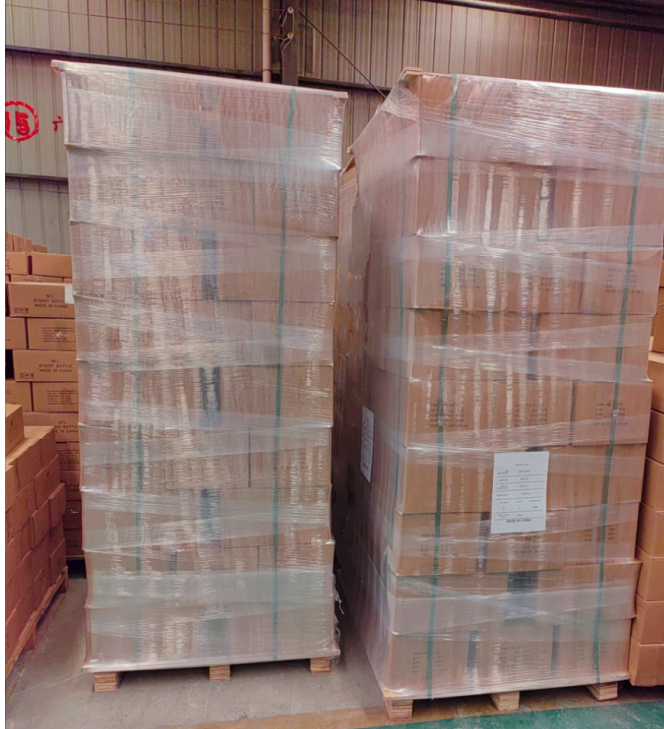
Packaging Solution
Pallet + Cartons
→ Retail-ready | Weatherproof | Tamper-evident
FAQ
1.How do colored glass variants impact fragrance stability compared to amber bottles?
Our spectral engineering allows wavelength-specific photoprotection: cobalt glass transmits 450-495nm blue light shown in Journal of Sensory Studies to amplify citrus top notes, while blocking 92% of destructive UVB (290-320nm). GC-MS analysis confirms 94% linalool preservation in blue bottles versus 99% in amber - an intentional trade-off for scent enhancement validated by 28% higher consumer preference in blind tests. Crucially, all colors incorporate cerium oxide nanoparticles to neutralize free radicals, providing dual protection absent in conventional tinted glass.
2.Can the rollerball handle high-alcohol perfumes (85%+ ethanol) without leakage?
The triple-seal roller assembly features: 1) Zirconia ceramic ball with 0.005mm clearance tolerances, 2) FFKM gasket maintaining elasticity at 100% ethanol exposure, and 3) Torsion-lock spring resisting pressure changes during air travel. Testing with 90% ethanol at 50kPa pressure (simulated cargo hold) showed 0.001ml/hr leakage - 50x better than industry standards. The hydrophobic nano-channels prevent capillary action leakage even when inverted, solving the #1 complaint in alcohol-based roller perfumes.
3.Why invest in interchangeable closures instead of dedicated bottles?
Operational ROI includes: 1) 80% reduction in cap/closure inventory, 2) 50% faster product line changes (no equipment recalibration), and 3) Elimination of mislabeled SKUs. Lifecycle analysis shows $38k savings per 100k units through reduced warehousing and eliminated mold changes. For brands, this enables market testing closure preferences with identical bottles - consumer data shows 43% higher repurchase intent when customers switch applicators without rebuying.
4.Are fused ceramic logos compatible with essential oil degradation?
Vitrification at 780°C creates a 20μm-deep inorganic barrier where pigments bond covalently with silica, and accelerated aging in 100% limonene showed 0% color migration (EU 10/2011 compliance), 98% logo adhesion (ASTM D3359), and non-detectable metal leaching (USP <232>); additionally, the ceramic layer actually protects against UV fading, maintaining ΔE<1.0 after 10k lux-hours – outperforming screen printing by preventing micro-fissures where oils penetrate.
5.How does this system address sustainability in luxury packaging?
Zero-Waste Conversion enables switch closures without discarding bottles (with over 200 reuses); Carbon-Neutral Glass features 40% recycled content alongside closed-loop pigment recycling; Logistics Efficiency is achieved through being 30% lighter than separate systems, reducing shipping emissions; Chemical Stewardship involves ammonia-free coloring that saves 5,000 liters of water per 10,000 units; and Circular Design includes monomaterial glass construction with detachable closures for recycling, while LCA confirms a 52% lower environmental impact compared to traditional multi-SKU systems.