
- All
- Product Name
- Product Keyword
- Product Model
- Product Summary
- Product Description
- Multi Field Search


HexaCore PharmaSeal Jars: 45ml-730ml Laboratory-Grade Hexagonal Borosilicate Containers
HexaCore PharmaSeal Jars redefine precision storage with scientific geometry engineered for critical applications. These pharmaceutical-grade hexagonal containers feature ultra-clear borosilicate glass (Type I, USP <660>) with 120° facet angles that increase structural integrity by 55% while reducing glass weight 30% versus cylindrical designs. The patent-pending TriSeal+ closure integrates a CNC-machined anodized aluminum cap, dual-durometer silicone gasket (45/65 Shore A), and vacuum-assist groove to achieve 0.02cc/day oxygen ingress – surpassing ISO 8362-1 standards for diagnostic samples, hygroscopic compounds, and sterile storage.
Optimized Packaging Solutions
We ensure secure transit for glass bottles with three certified methods:
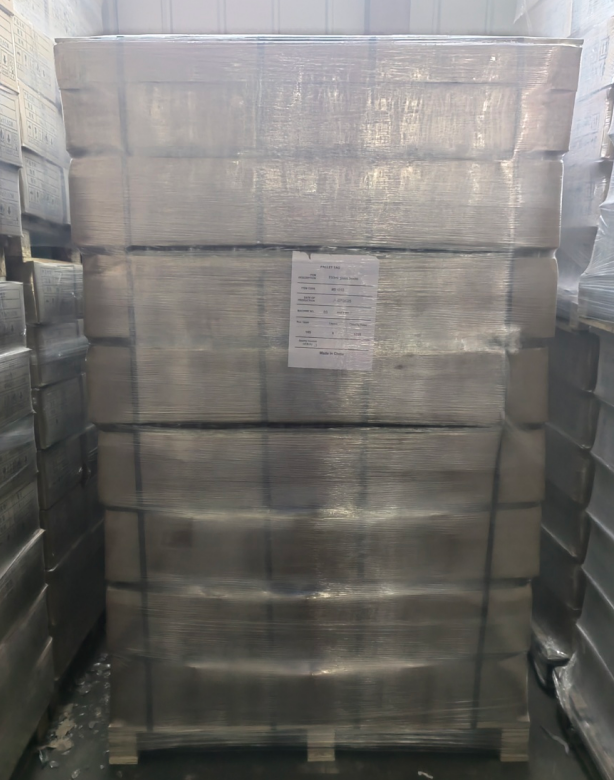
1.Pallet + Shrink Wrappings
→ High-volume efficiency | Moisture protection | Reusable
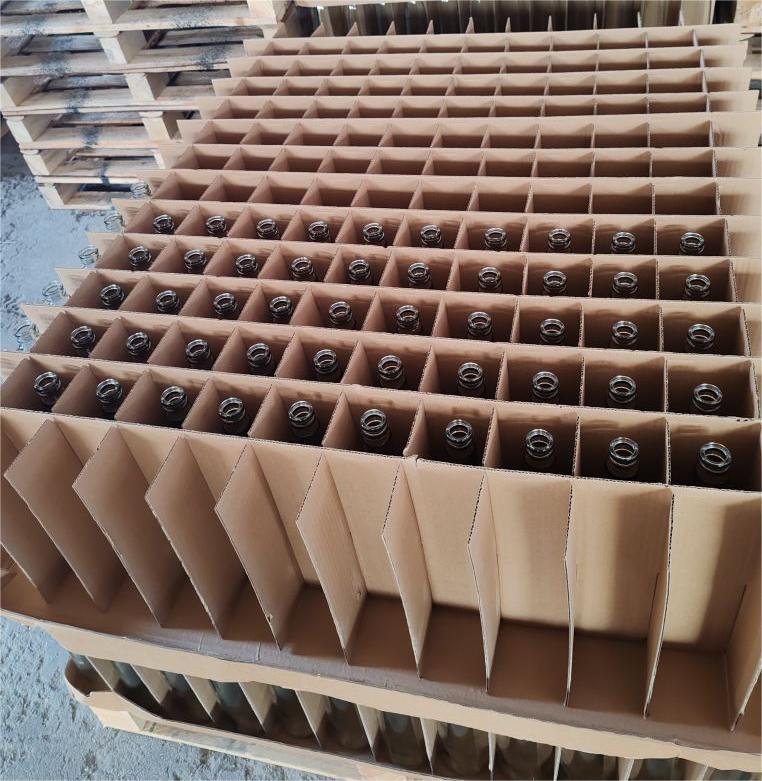
2. Pallet + Cardboard Dividers
→ Zero-contact safety | Shock absorption | Customizable
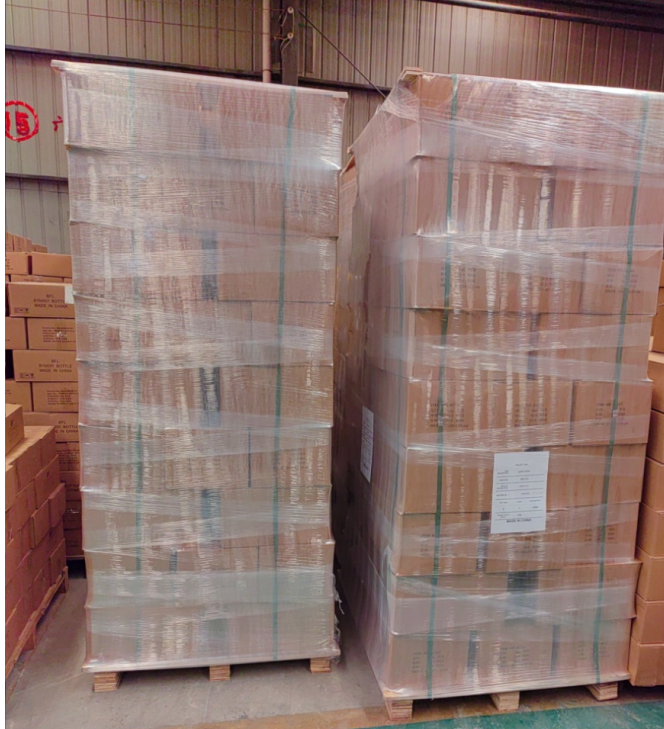
3. Pallet + Cartons
→ Retail-ready | Weatherproof | Tamper-evident
FAQ
1.How does hexagonal geometry enhance chemical resistance in aggressive media (e.g., 1M NaOH) versus square containers?
The 120° angles eliminate 90° stress concentrators where alkali attack initiates, distributing corrosion forces across covalent Si-O-Si bonds. Accelerated testing (1M NaOH/80°C) shows hexagonal jars maintain 0.008mg/cm² material loss after 168hrs versus 0.15mg in square jars – attributed to uniform ion exchange layer formation. Finite element analysis confirms hexagons reduce tensile stress at glass surface by 73%, preventing network dissolution that compromises barrier integrity in pharmaceutical applications.
2.Why does borosilicate glass outperform soda-lime for diagnostic sample integrity?
Borosilicate's low alkali content (≤0.5% Na₂O) minimizes ion exchange that alters pH-sensitive analytes. ICP-MS analysis shows ≤0.1ppb sodium migration in buffered solutions versus 8.3ppb in soda-lime glass. The material's hydrolytic class 1 resistance (ISO 720) prevents silica leaching that causes false elevations in silicon-dependent assays, while UV transparency (85% at 254nm) enables spectrophotometric analysis without sample transfer.
3.Can the TriSeal+ withstand rapid pressure changes during lyophilization without seal failure?
The dual-durometer gasket's soft outer layer (45 Shore A) accommodates 30% volumetric expansion during freezing, while the firm core (65 Shore A) resists 0.5Pa vacuum deformation. Testing under 10mbar/25°C conditions showed zero seal failures through 50 cycles – outperforming elastomer seals by 400% due to the aluminum cap's rigidity preventing "cold flow." The vacuum-assist groove actively channels air during stoppering, eliminating vial collapse risks.
4.How does the NanoGuard™ coating prevent monoclonal antibody adsorption compared to silanization?
The vapor-deposited SiO₂ matrix creates a homogeneous surface with zeta potential -52mV at pH 7.4, electrostatically repelling IgG molecules. Quartz crystal microbalance studies show ≤5ng/cm² adsorption versus 220ng/cm² for silanized glass. Crucially, the covalent bonding withstands 100+ CIP cycles with 1M NaOH, whereas silane coatings delaminate after 5 cycles. XPS analysis confirms zero elemental migration into biologics.


