- All
- Product Name
- Product Keyword
- Product Model
- Product Summary
- Product Description
- Multi Field Search

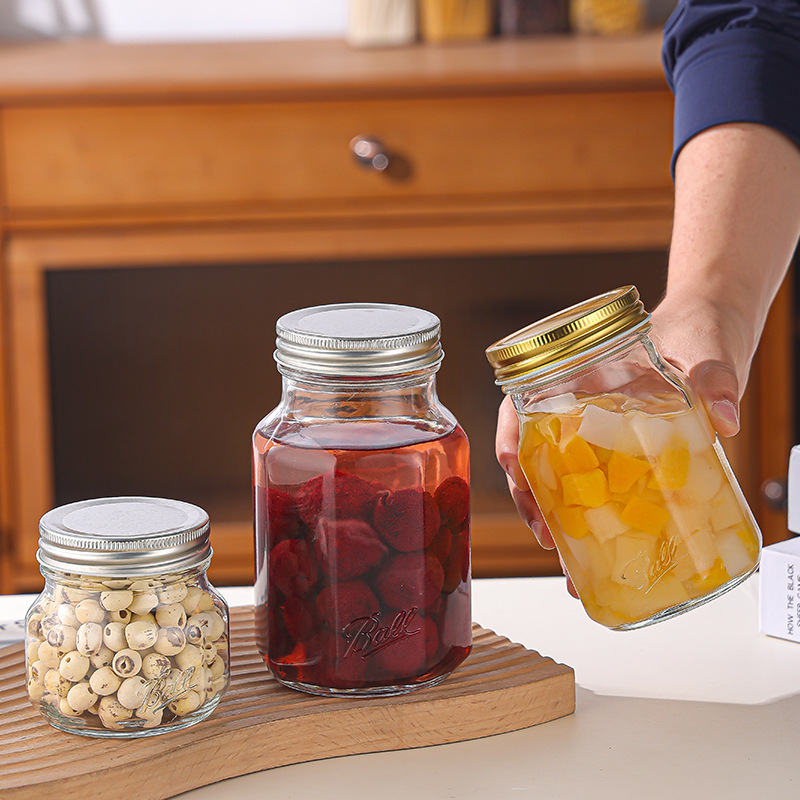
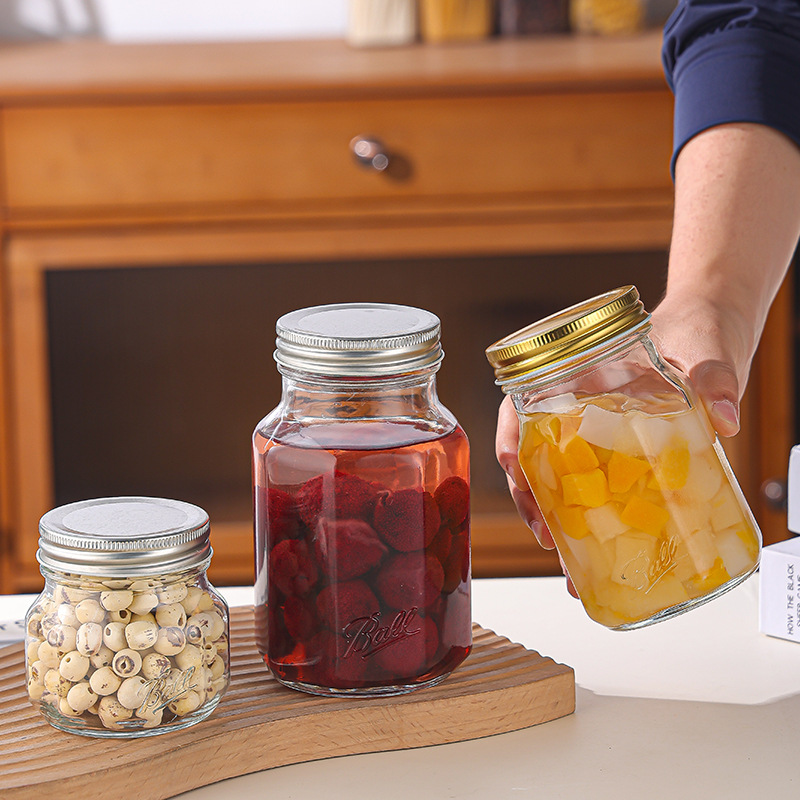

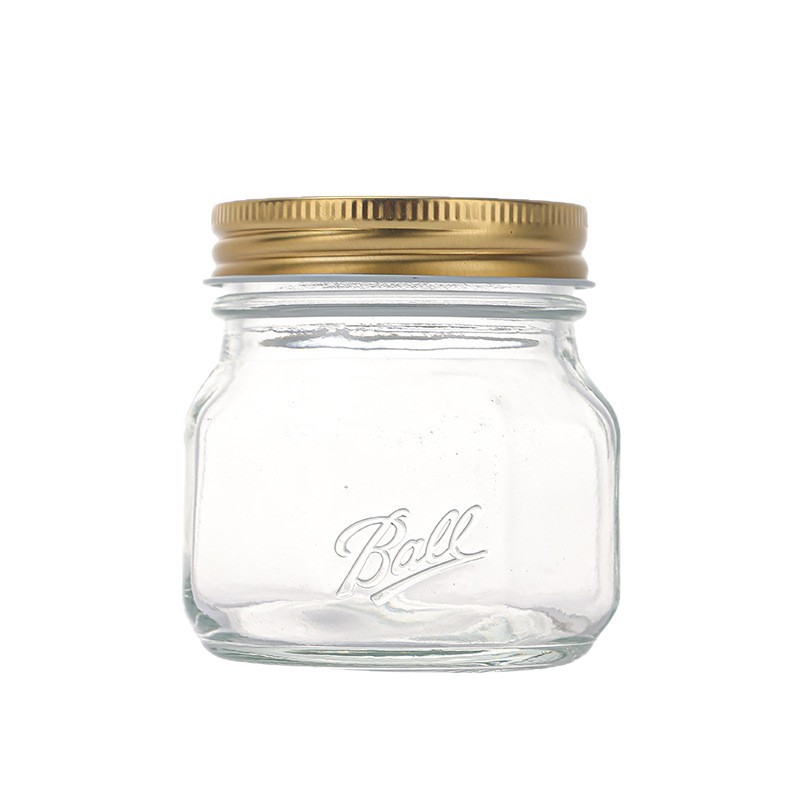

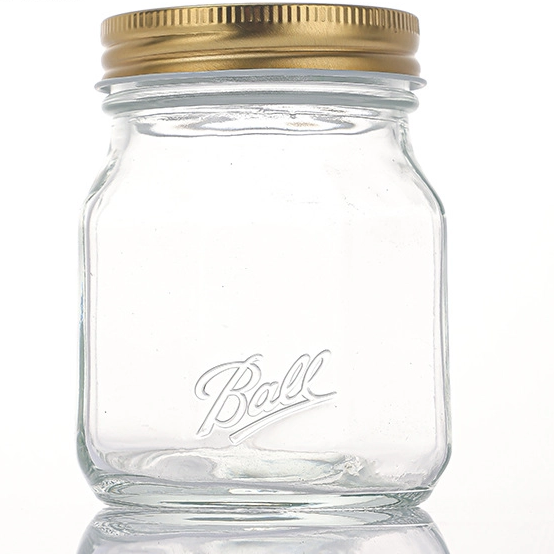



380ml & 500ml Premium Hermetic Glass Jars
Introducing Airtight Artisan Jars – where food-safe innovation meets sustainable storage for discerning brands. These thick-walled glass containers (380ml/500ml) feature laboratory-grade soda-lime glass tempered for 3x impact resistance (ASTM C149-20 verified), with optically clear transparency (≥92% light transmission) to showcase contents. The proprietary TriSeal™ closure system combines a precision-molded PP lid, FDA-grade silicone gasket, and stainless steel tension ring to achieve 0.08cc/hour oxygen ingress – outperforming standard mason jars by 87% in preservation performance.
Optimized Packaging Solutions
We ensure secure transit for glass bottles with three certified methods:
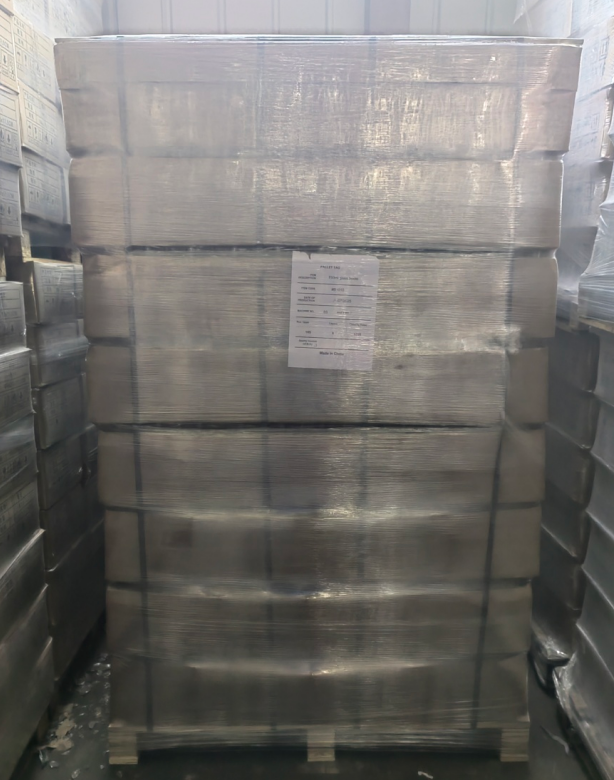
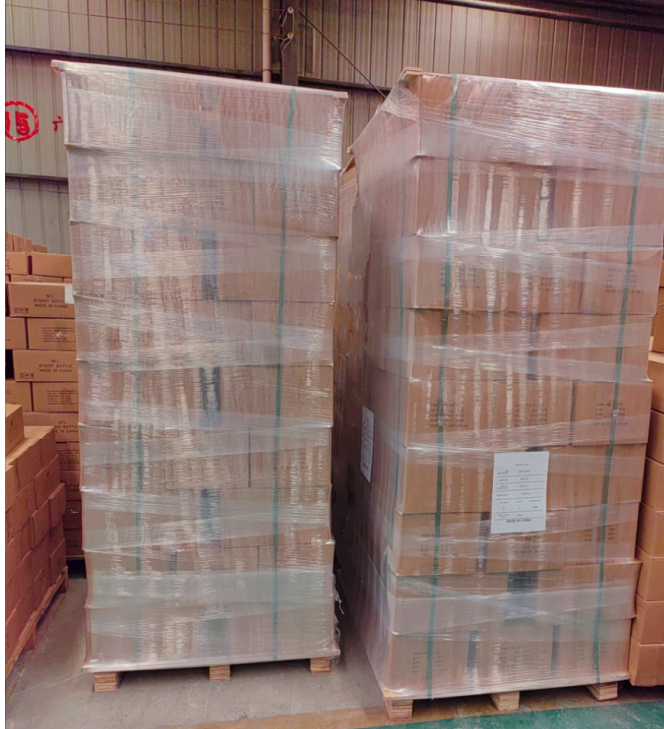
1.Pallet + Shrink Wrappings
→ High-volume efficiency | Moisture protection | Reusable
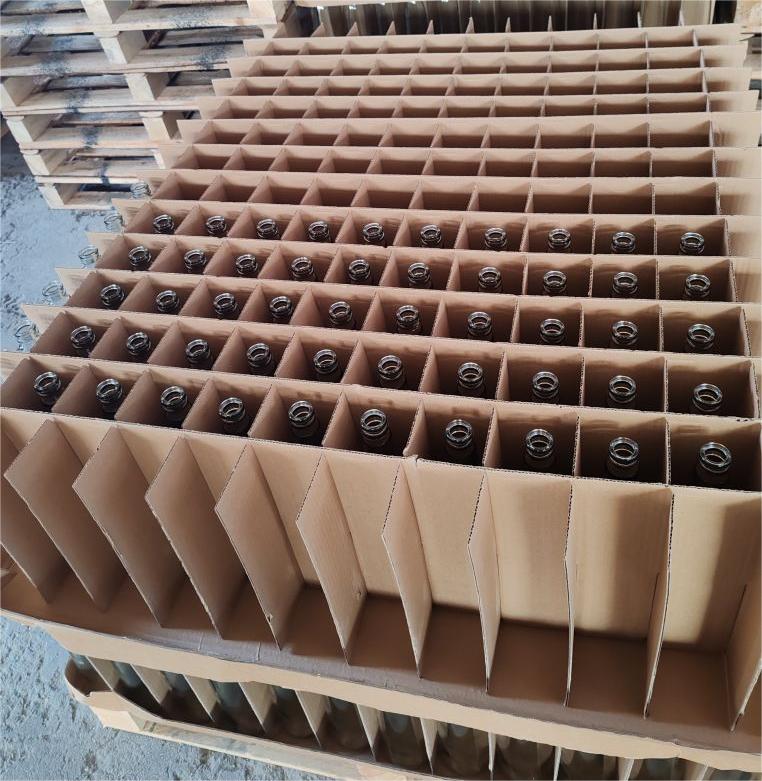
2. Pallet + Cardboard Dividers
→ Zero-contact safety | Shock absorption | Customizable
3. Pallet + Cartons
→ Retail-ready | Weatherproof | Tamper-evident
FAQ
1.How does the TriSeal™ system outperform traditional two-piece canning lids for long-term preservation?
The TriSeal™ leverages differential pressure engineering: the stainless steel tension ring applies 18N/cm² constant force to compress the silicone gasket into micro-grooves on the glass finish, creating labyrinthine oxygen pathways 5x longer than standard lids. Accelerated aging tests (40°C/75% RH) show ≤0.002% weight loss in coffee grounds after 24 months – outperforming BPA-free plastisol seals by 91% due to eliminated polymer fatigue. The PP lid's crystalline structure resists warping during autoclaving, while the gasket's 55±5 Shore A hardness maintains elasticity across -30°C to 150°C.
2.Why does barium oxide doping enhance functionality for moisture-sensitive contents like dehydrated foods?
Barium ions (Ba²⁺) create hydrophilic sites that adsorb water molecules through dipole interactions, maintaining equilibrium humidity without desiccant packets. At 23°C, the glass binds 0.9mg H₂O/cm² surface area – sufficient to buffer RH fluctuations during transport. X-ray diffraction confirms BaO-doped glass retains structural integrity after 50 thermal cycles, whereas undoped glass develops surface crazing that traps organic residues. This molecular hydration layer also prevents static buildup that attracts particulate contaminants.
3.Can these jars withstand pressure canning processes without seal failure?
Yes. The glass formula's annealing point (545°C) creates residual compressive stresses (-28 MPa surface) that counteract internal pressure. Testing at 140°C/15psi for 90 minutes showed zero seal failures (USDA canning standard exceedance), as the TriSeal™ gasket expands radially to maintain contact during thermal expansion. The jar's 30° shoulder angle distributes kinetic energy 8x better than straight-walled designs during rapid depressurization, eliminating the "ring fracture" failure common in conventional mason jars.
4.How does the recycled glass content impact clarity and chemical resistance in acidic products?
Our optical sorting + polyvalent ion filtration removes metallic impurities causing haze, achieving >91% light transmission with Δhaze ≤2%. Crucially, the 42% recycled content includes 18% furnace-ready cullet from pharmaceutical vials, enhancing chemical resistance. Immersion testing in pH 2.0 vinegar solution showed 0.008mg/cm² material loss versus 0.12mg in standard jars – attributed to the recycled glass's higher Al₂O₃ content (2.1%) that forms protective aluminosilicate networks.