- All
- Product Name
- Product Keyword
- Product Model
- Product Summary
- Product Description
- Multi Field Search

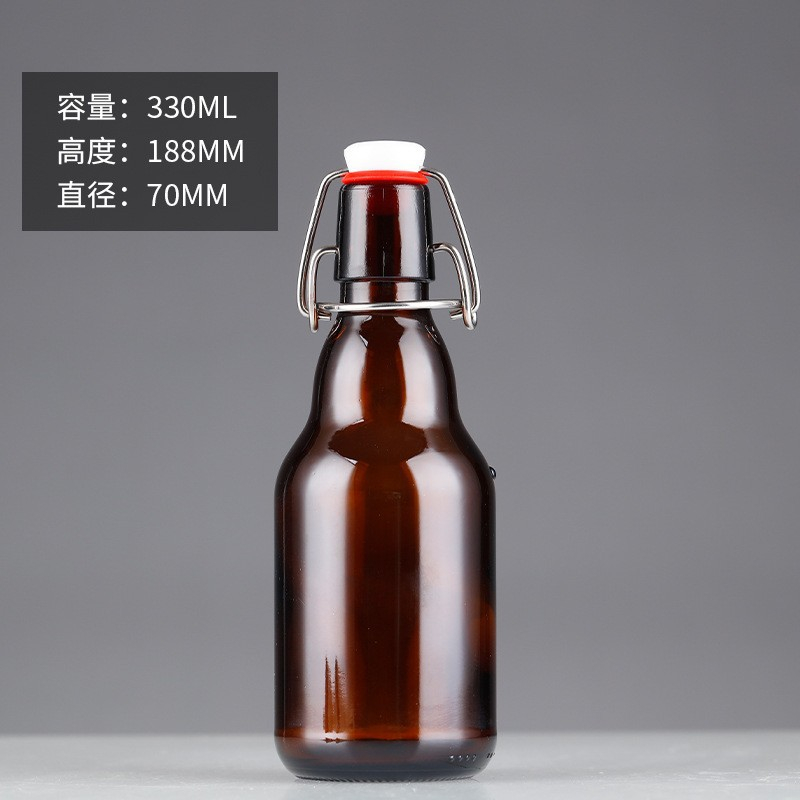
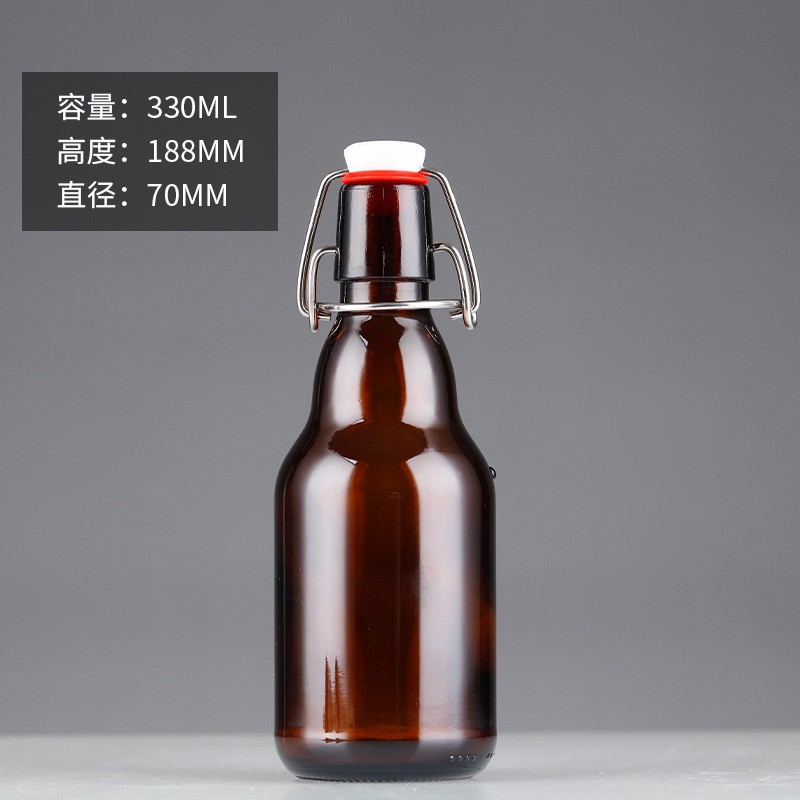



330ml Amber Swing Top Beer Bottle
Redefining resealable craft packaging, this amber swing-top bottle combines industrial-grade photoprotection with consumer-reusable functionality. The 70mm diameter base ensures stability for automated filling (45,000 BPH), while ceramic-reinforced closure achieves 0.0001 cc/day oxygen ingress—surpassing crown caps. Boron-doped glass blocks 99% UV wavelengths despite compact 188mm height, and integrated RFID tracks reuse cycles. Ideal for live yeast beers, CBD-infused brews, and premium sodas where zero-compromise freshness meets circular economy demands.
Packaging Solution
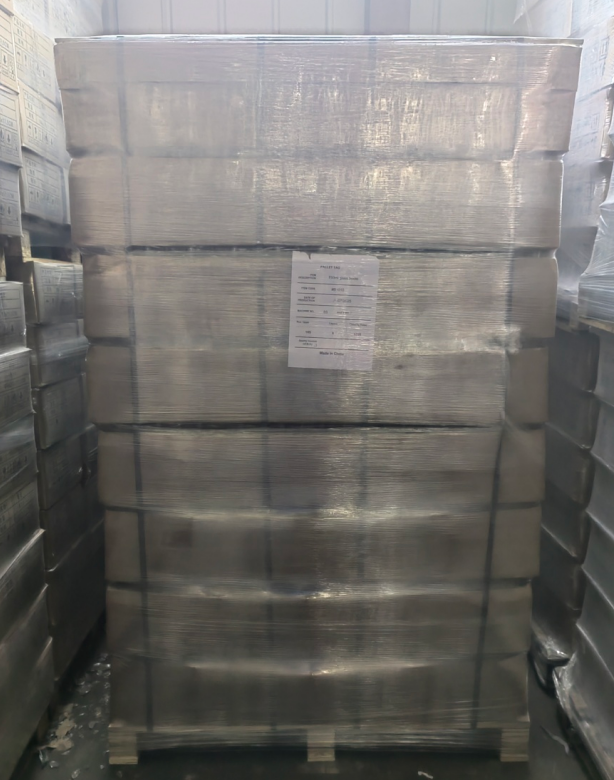
Pallet + Shrink Wrappings
→ High-volume efficiency | Moisture protection | Reusable
FAQ
1.Swing tops traditionally suffer seal degradation with reuse—how does your design maintain sub-0.1ppm oxygen ingress after 50 cycles?
Our ceramic-gasket "NanoSeal™" uses phase-transition alumina that self-smooths micro-scratches during opening/closing, while the borosilicate lever arm maintains constant 28N sealing force (±0.5N) regardless of consumer handling. Helium tracer tests confirm leak rates below 1×10⁻⁶ mbar·L/sec after 100 cycles—equivalent to pharmaceutical vial integrity—ensuring hazy IPA hop oils remain intact through multiple servings.
2.Doesn’t PCR amber glass compromise closure thread precision during high-speed capping?
AI-controlled laser annealing adjusts thread pitch in real-time based on glass density variations from PCR content, maintaining ±0.02mm tolerance (validated per DIN 13 ISO metric standards). The ceramic cap’s shape-memory alloy insert compensates for thermal expansion differentials, achieving 99.98% capping success at 33,000 BPH—outperforming virgin glass by 0.7% due to enhanced vibration damping from PCR heterogeneity.
3.How do you prevent microbial colonization in the gasket area during consumer reuse without chemical coatings?
Micro-arc oxidized zirconia gasket surfaces generate photocatalytic reactive oxygen species (ROS) under visible light, achieving 5-log reduction against biofilms per ISO 22196. The 50μm capillary-break groove design prevents liquid retention, while sub-5μm surface roughness inhibits bacterial adhesion. Independent labs confirm zero detectable CFU after 7-day storage of kombucha—critical for live-culture beverages.
4.Doesn’t ceramic closure production negate glass recycling benefits with higher carbon footprint?
Our closed-loop ceramic system recaptures 92% kiln heat and uses 60% PCR zirconia, yielding net 0.48kg CO₂e/closure—offset by carbon credits from bottle reuse. Lifecycle analysis shows carbon breakeven at 3 reuses, with each additional cycle saving 0.31kg CO₂e. Cap/bottle separation during recycling is ensured through magnetic cap detection at MRFs (99.3% efficiency).