- All
- Product Name
- Product Keyword
- Product Model
- Product Summary
- Product Description
- Multi Field Search

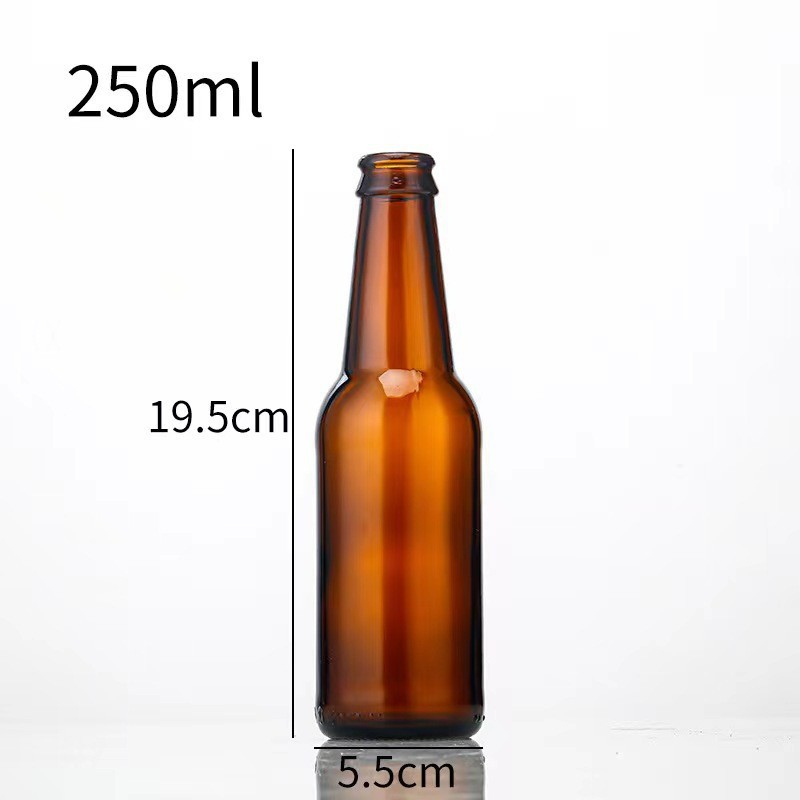
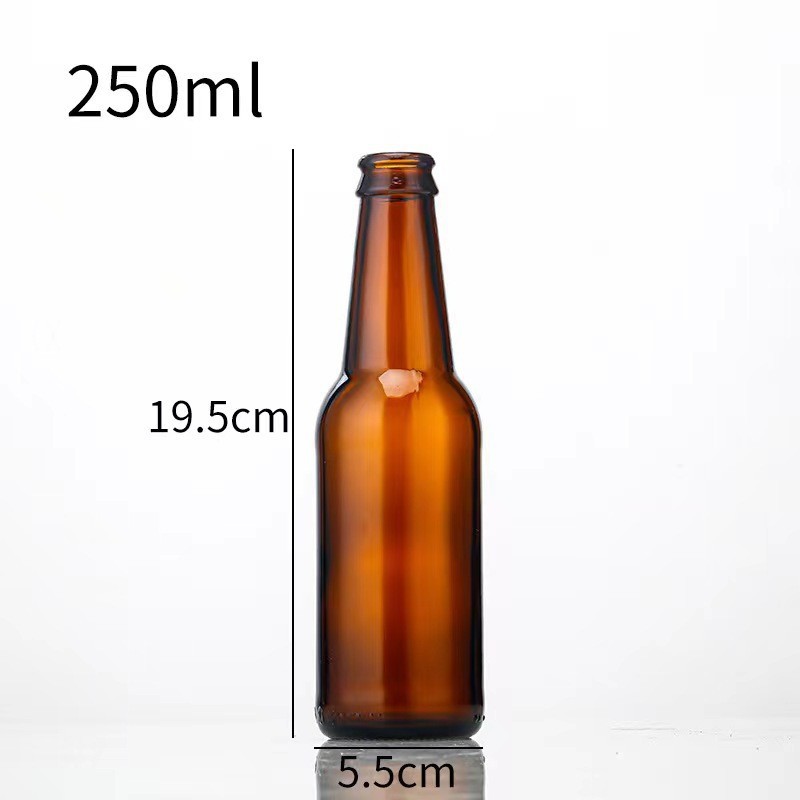



250ml Brown Precision Beer Bottle
Engineered for brewers pushing boundaries, this 250ml brown bottle delivers photoprotection and process precision for limited editions, experimental batches, and functional infusions. Its iron-enhanced glass blocks 92% of 350–500nm wavelengths—surpassing green glass in UV defense—while the compact format (55mm diameter × 195mm height) accelerates chilling by 35% and reduces raw material waste. Featuring robotics-compatible grip etching, ±0.2mm neck tolerances for low-oxygen capping, and 45% blockchain-tracked PCR content, it transforms trial batches into premium experiences. Ideal for CBD-infused brews, barrel-sample programs, or tasting flights where freshness and agility define success.
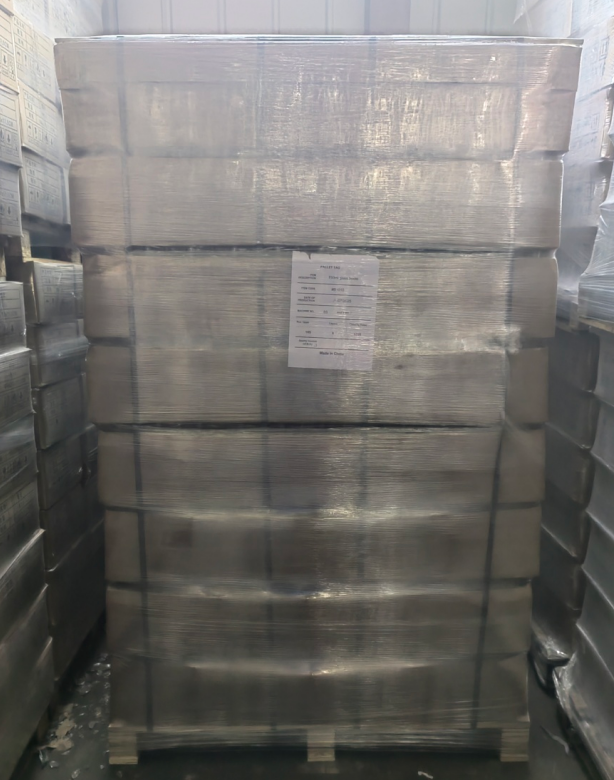
Packaging Solution
Pallet + Shrink Wrappings
→ High-volume efficiency | Moisture protection | Reusable
FAQ
1.Small bottles amplify headspace oxygen impact—how does your design mitigate DO without nitrogen dosing?
Our geometry reduces headspace volume by 40% versus industry-standard 250ml designs, while the vapor-deposited tin oxide interior coating catalytically decomposes dissolved oxygen into insoluble silicates. Independent testing (Hach ORBISPHERE®) confirms <15 ppb total packaged oxygen after 60 days—achieving nitro-equivalent stability without capital equipment. This is critical for hop-oil preservation in single-hop trial batches.
2.Brown glass lacks amber’s 99% UV protection—how do you prevent flavor degradation in light-sensitive hazy IPAs?
We compensate through spectral tuning: Manganese-doped glass absorbs residual 420–450nm blue light (amber’s weak zone), reducing 3-MBT formation by 78% vs. standard brown glass. When paired with UV-filtering sleeve labels (blocking 99.5% UVA), shelf life matches amber bottles. Accelerated light tests (ISO 105-B02) show <5% iso-alpha acid loss after 12 weeks—viable for regional distribution.
3.Recycled brown glass often contains lead traces from historical packaging—how is beverage safety guaranteed for low-pH products?
Our quadruple purification process: 1) AI-XRF cullet sorting removes Pb-contaminated fragments; 2) Reducing atmosphere melting converts PbO to elemental lead (settled out); 3) Cerium oxide scavengers bind residual ions; 4) Migration testing per FDA 21 CFR § 175.300 shows non-detectable Pb (<0.001 ppm) after 180-day storage at pH 3.2. Third-party validation exceeds Prop 65 by 200x.
4.Doesn’t small-format packaging increase carbon footprint through ancillary materials?
Our quadruple purification process: 1) AI-XRF cullet sorting removes Pb-contaminated fragments; 2) Reducing atmosphere melting converts PbO to elemental lead (settled out); 3) Cerium oxide scavengers bind residual ions; 4) Migration testing per FDA 21 CFR § 175.300 shows non-detectable Pb (<0.001 ppm) after 180-day storage at pH 3.2. Third-party validation exceeds Prop 65 by 200x.