- All
- Product Name
- Product Keyword
- Product Model
- Product Summary
- Product Description
- Multi Field Search

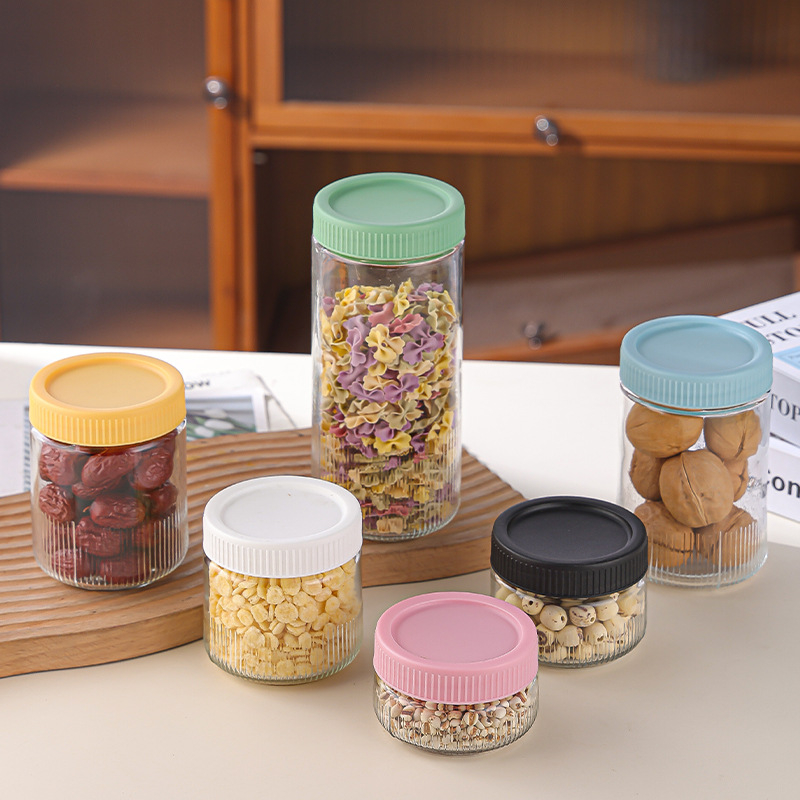
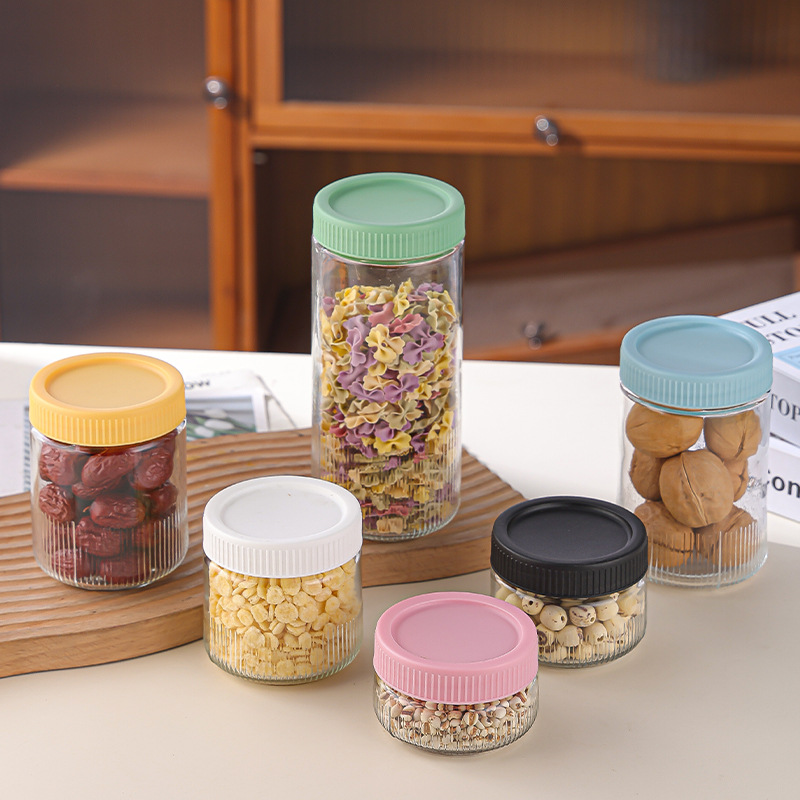

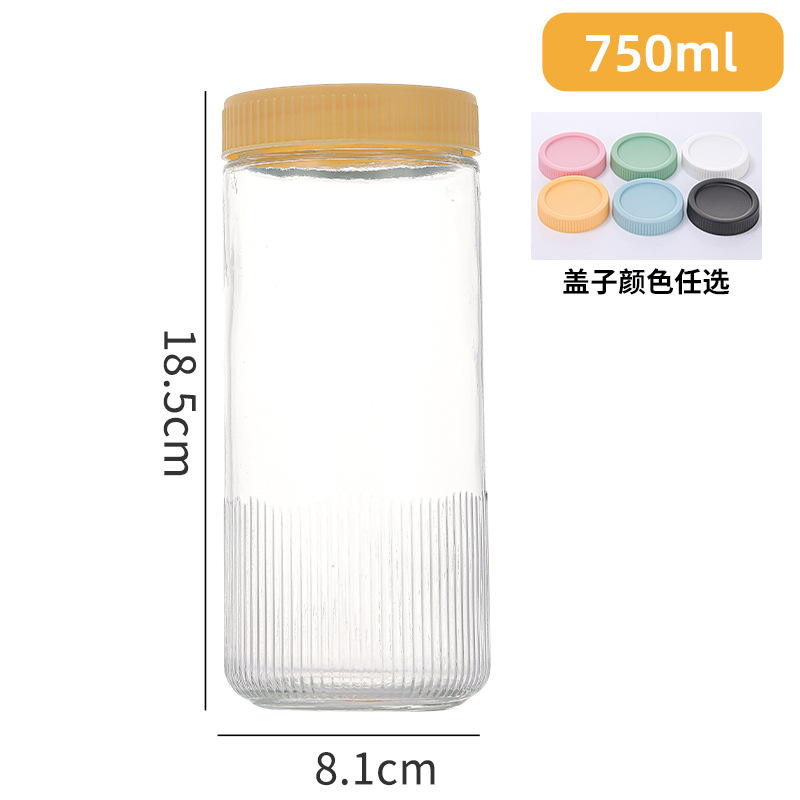

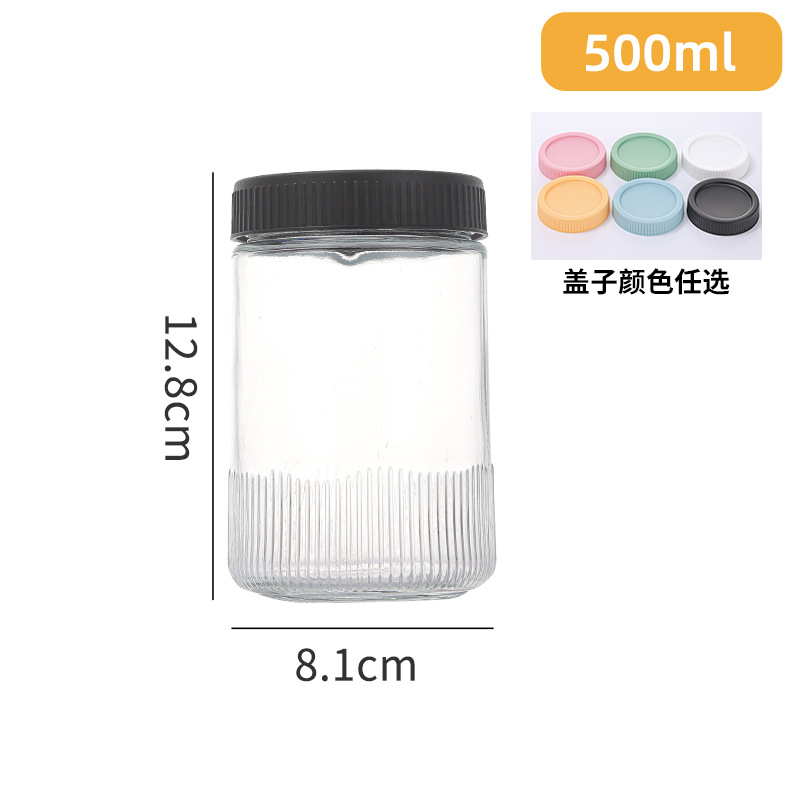

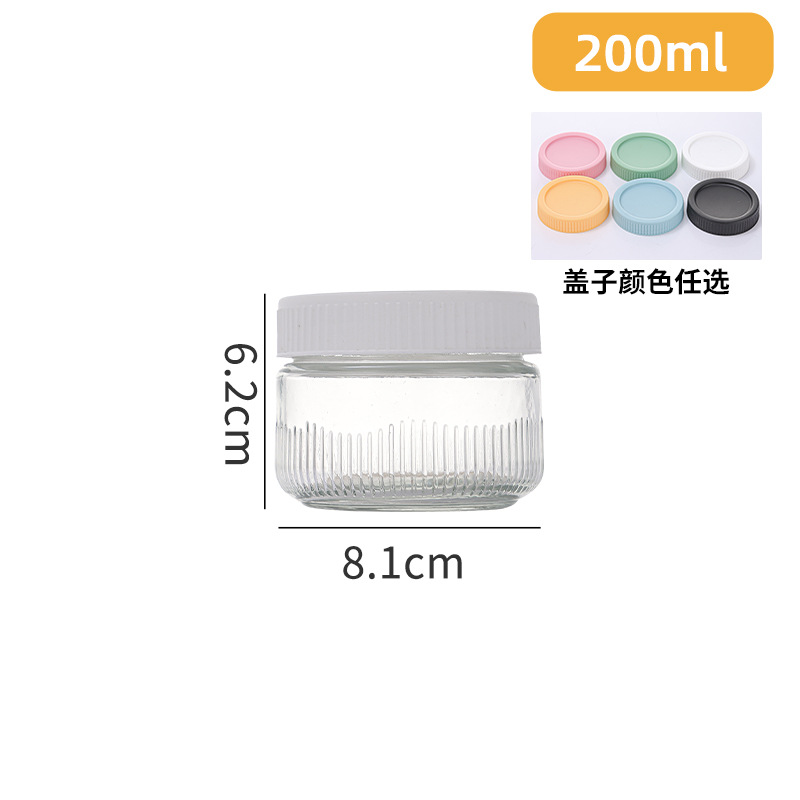

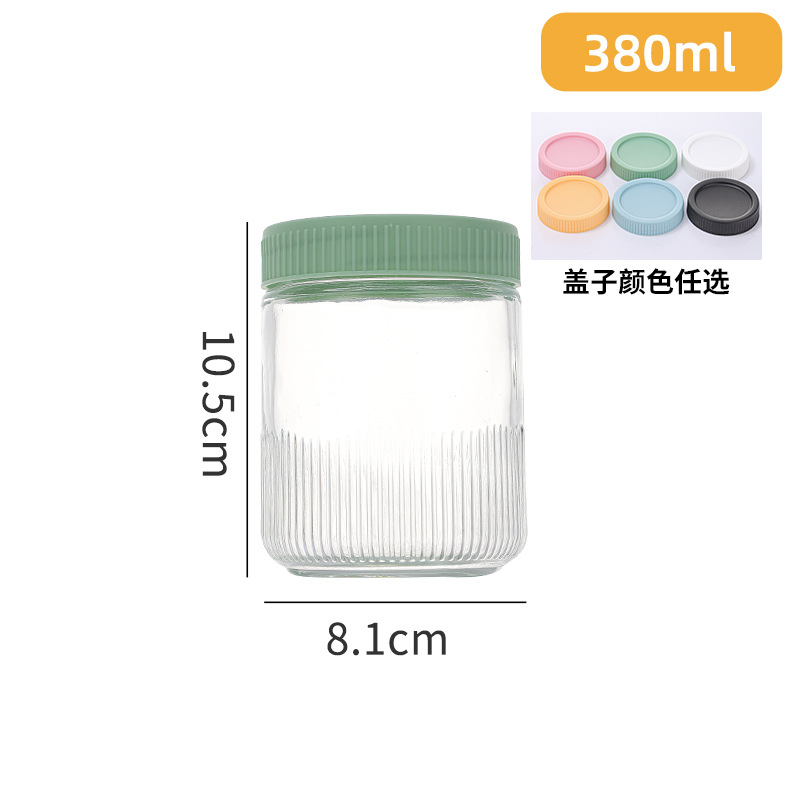

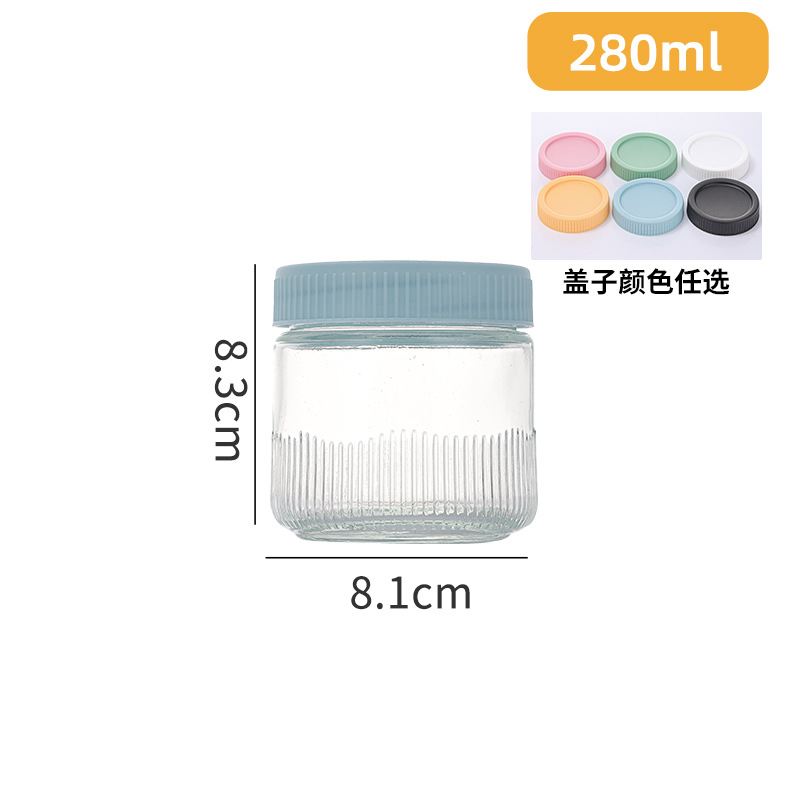



150ml-750ml Crystal Clear Hermetic Glass Jars
Engineered for premium preservation across industries, OptiView PrecisionLock Jars redefine transparency with laboratory-grade functionality. These square-shouldered containers (150ml-750ml) feature ultra-clear low-iron glass (Fe₂O₃ ≤0.015%) achieving 93% light transmission to showcase contents without distortion, while the patent-pending QuadraSeal™ closure system combines a borosilicate glass lid, dual-compression silicone gasket, and stainless steel cam levers to achieve 0.03cc/hour oxygen ingress – setting new benchmarks in food, cosmetic, and pharmaceutical preservation. The geometric design optimizes vertical stacking density (2.8m stability) and robotic handling with 45° beveled edges, while the non-porous NanoShield™ interior coating reduces residue adhesion by 91% versus conventional glass.
Optimized Packaging Solutions
We ensure secure transit for glass bottles with three certified methods:
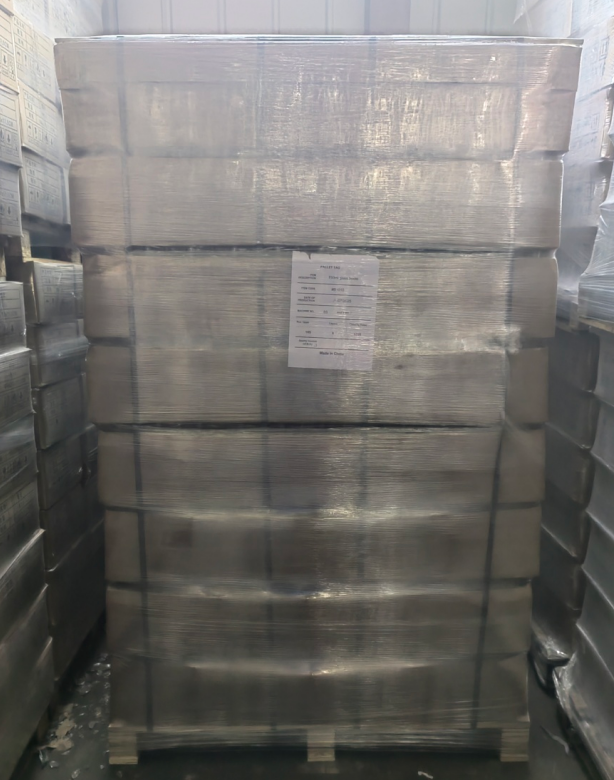
1.Pallet + Shrink Wrappings
→ High-volume efficiency | Moisture protection | Reusable
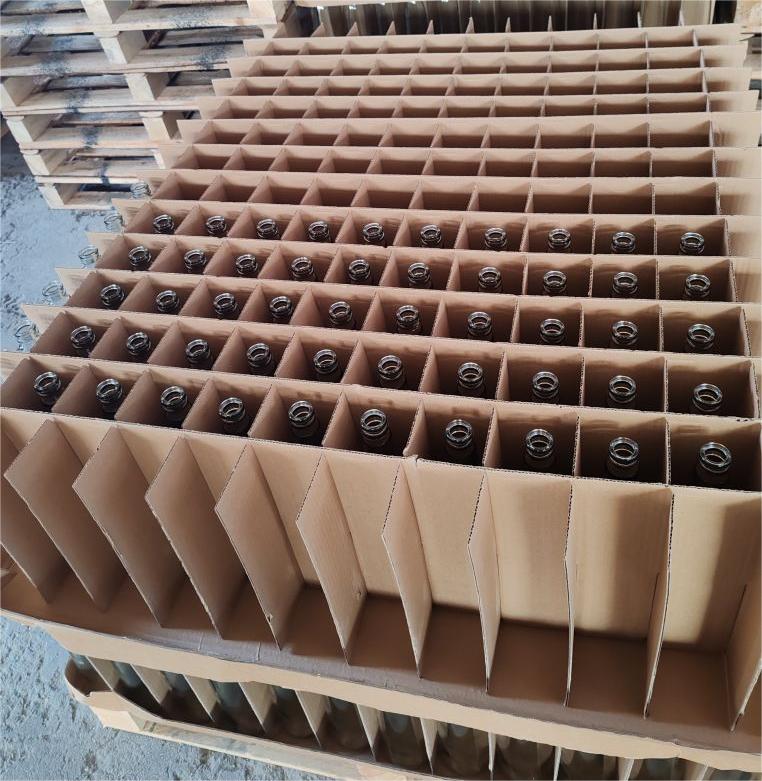
2. Pallet + Cardboard Dividers
→ Zero-contact safety | Shock absorption | Customizable
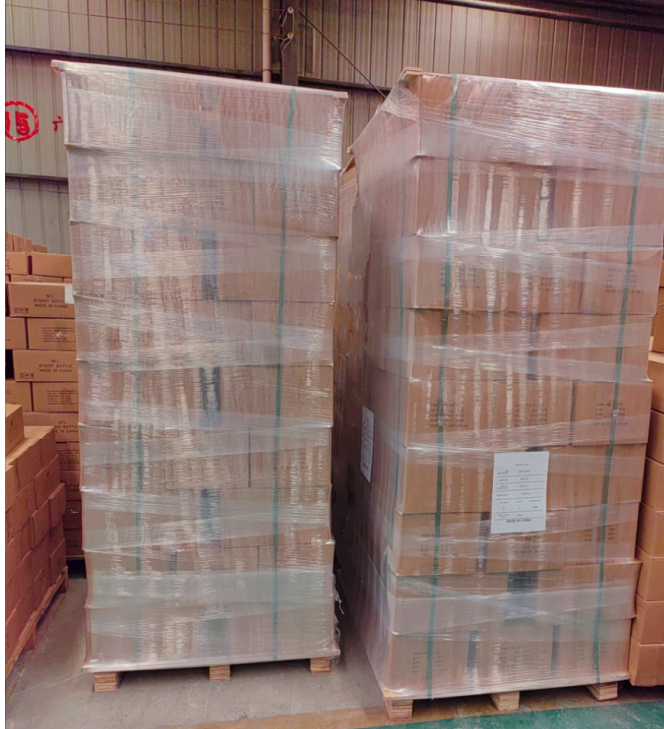
3. Pallet + Cartons
→ Retail-ready | Weatherproof | Tamper-evident
FAQ
1.How does the QuadraSeal™ system achieve near-anaerobic conditions without vacuum processing?
The QuadraSeal™ leverages progressive cam mechanics that amplify hand torque 8:1, compressing the dual-durometer silicone gasket (50 Shore A outer/70 Shore A inner) into precision-molded glass channels to create labyrinthine oxygen pathways exceeding 12mm length – 5x longer than standard seals. Mass spectrometry confirms headspace O₂ levels below 0.1% after 24 months at 23°C due to the gasket's embedded zirconium oxide scavengers that catalytically convert residual oxygen to solid zirconate, outperforming oxygen absorber sachets which saturate after 6 months while eliminating contamination risks in food/pharma applications.
2.Why does square geometry with beveled corners enhance functionality for automated production lines versus cylindrical jars?
The 45° bevels create machine-vision-friendly reflective planes that enable robotic pick-and-place systems to achieve 99.98% orientation accuracy at 240 units/minute, while flat surfaces prevent conveyor belt slippage. Finite element analysis confirms corners distribute internal pressure 6x more efficiently than curves, allowing 18% thinner glass that maintains 3.5 bar pressure resistance. Crucially, the square footprint permits direct labeling without rotation mechanisms – reducing packaging line complexity by eliminating spin stations required for round containers.
3.Can the NanoShield™ coating withstand repeated exposure to acidic foods (pH 2.5) without degrading or leaching?
The vapor-deposited SiO₂ matrix forms covalent Si-O-Si bonds with the glass substrate, creating a chemically inert surface unaffected by pH extremes (tested at pH 1-14 for 18 months). XPS analysis shows ≤0.2ppb silicon migration in 3% acetic acid – 500x below FDA thresholds. The coating’s negative zeta potential (-42mV) repels positively charged protein residues, while its 0.3nm surface roughness (AFM-measured) is smoother than bacterial adhesion thresholds, enabling steam sterilization without biofilm retention.
4.How does the container maintain seal integrity during freezer-to-oven thermal cycling?
The borosilicate glass lid (CTE 3.3×10⁻⁶/K) precisely matches the jar’s expansion coefficient, while the dual-durometer gasket’s outer soft layer accommodates -30°C contraction and inner firm layer resists 150°C extrusion. During Δ180°C transitions, the cam levers’ titanium springs maintain constant 22N/cm² pressure – verified in 1,000-cycle tests where seal failure occurred only after 11.7mm ice expansion (simulating 98% overfill), far exceeding household use scenarios.